



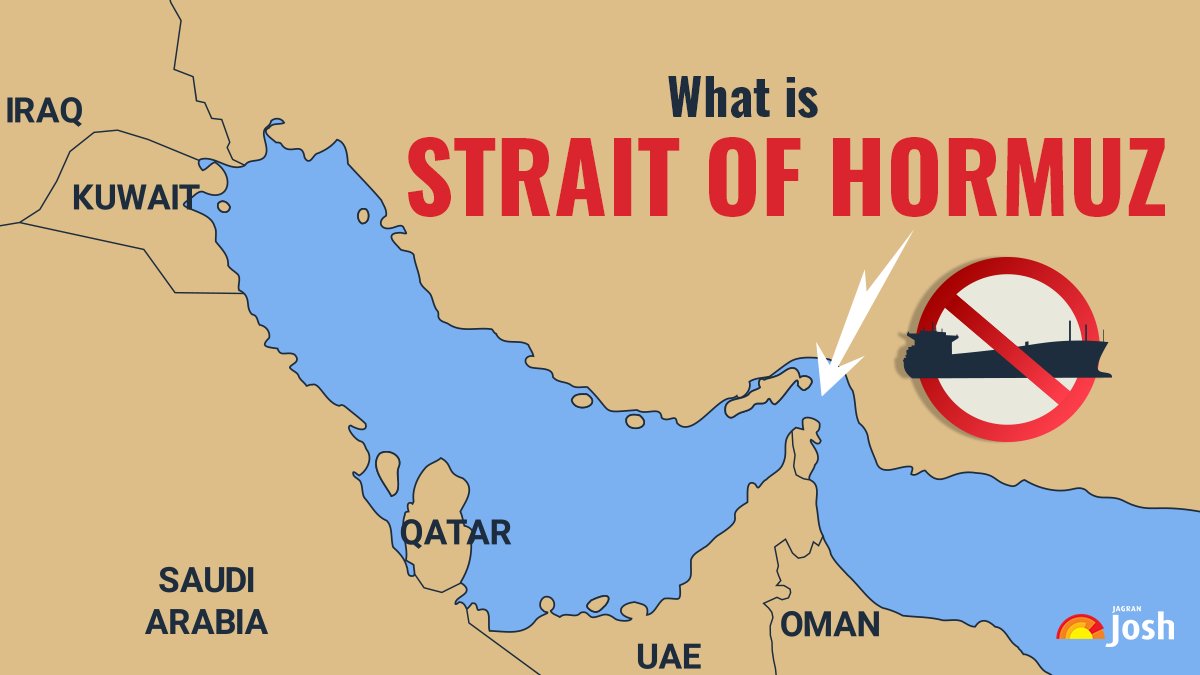
Since early 2026, the Middle East has been drawn into a rapidly escalating conflict involving Iran, the United States, Israel, and key Gulf nations, particularly the United Arab Emirates (UAE). What began as targeted military operations has now evolved into a broader regional crisis, affecting global security, energy markets, and economic stability.
Root Causes of the Conflict
Tensions reached a breaking point on 28 February 2026, when the United States and Israel launched coordinated airstrikes on Iranian nuclear and military facilities. These operations, carried out under Operation Epic Fury, marked a dramatic escalation in hostilities and significantly intensified the longstanding rivalry between Tehran and the U.S.–Israel alliance.
Iran responded swiftly and forcefully, launching missile and drone attacks across the Gulf region, targeting U.S. military bases and allied nations. Thousands of projectiles were reportedly fired, raising alarm throughout the region and placing Gulf governments on high alert.
Gulf Spillover and the UAE’s Role
Although Gulf countries initially attempted to remain neutral, the conflict quickly spread beyond Iran’s borders. Iranian missile and drone strikes began targeting infrastructure in the UAE, Bahrain, and Kuwait, drawing these nations deeper into the crisis.
The United Arab Emirates has experienced direct attacks, resulting in damage to civilian and industrial sites, including petrochemical facilities. While UAE air defense systems successfully intercepted many incoming threats, falling debris caused injuries and disruptions in major cities such as Dubai and Abu Dhabi.
In response to these attacks:
- The UAE closed its embassy in Tehran and withdrew diplomatic staff.
- Emirati authorities condemned the strikes as violations of sovereignty and international law.
- The UAE, alongside other Gulf Cooperation Council (GCC) members, issued strong diplomatic statements opposing continued Iranian aggression.
U.S. Military Involvement and Escalation
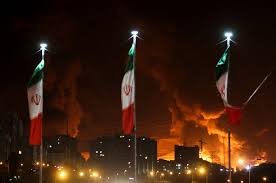
The United States has maintained an active military presence in the conflict, conducting additional airstrikes on Iranian infrastructure. Iran, in turn, claims to have downed U.S. aircraft, including cargo planes and helicopters, further escalating tensions.
Amid the crisis, U.S. President Donald Trump issued stern warnings, demanding that Iran reopen the strategically vital Strait of Hormuz. He warned of severe retaliatory action if shipping routes remained threatened.
The Strait of Hormuz and Global Consequences
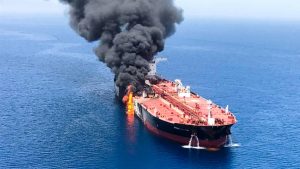
One of the most critical developments in this conflict has been the disruption of shipping through the Strait of Hormuz, a narrow waterway responsible for nearly 20% of the world’s oil supply. Reduced activity in the strait has led to sharp declines in oil exports from Gulf producers, causing global energy prices to surge.
In an attempt to stabilize markets, OPEC+ announced modest increases in oil production, though analysts remain skeptical about their effectiveness while the region remains unstable.
Economic Impact Across the Region
The conflict has triggered significant economic repercussions:
- Gulf stock markets have shown volatility, fluctuating with every development in the conflict.
- Global fuel prices have risen sharply, increasing transportation costs and impacting inflation worldwide.
- Financial markets in Kuwait, Qatar, Bahrain, and the UAE continue to face uncertainty as investor confidence fluctuates.
Humanitarian and Security Concerns
Beyond economic and political consequences, the conflict has taken a heavy human toll. Civilian casualties have increased across the region, particularly in Lebanon, where related clashes between Israel and Hezbollah have intensified.
Educational institutions and international organizations throughout the Middle East have heightened security measures due to fears of retaliation, affecting students, faculty, and diplomatic operations.
Diplomatic Positioning and Regional Strategy
While the United States seeks to strengthen alliances and secure support from Gulf nations, many regional governments remain cautious. Gulf states are reluctant to become directly involved in large-scale military operations, fearing a broader regional war.
However, several Gulf leaders have signaled their readiness to enhance defensive cooperation, particularly to safeguard critical trade routes like the Strait of Hormuz.
Current Situation and Outlook (April 2026)
As of early April 2026, the conflict has entered its sixth week with no clear signs of de-escalation. Key developments include:
- Continued U.S.–Israel military strikes targeting Iranian facilities.
- Ongoing Iranian retaliatory attacks and proxy engagements across the region.
- Intensified diplomatic efforts urging restraint, though geopolitical tensions remain extremely high.
Conclusion
The Iran–USA–Gulf conflict reflects deep-rooted geopolitical rivalries, strategic interests, and shifting alliances that extend far beyond the Middle East. Its impact is being felt globally from rising energy prices and economic instability to heightened security concerns.
As the situation continues to unfold, the world watches closely, hoping for diplomatic resolution. Yet, with tensions still running high, the path toward peace remains uncertain.
Elegance is not the prerogative of those who have just escaped from adolescence, but of those who have already taken possession of their future.
Fashion fosters cliches of beauty, but I want to tear them apart. Every day I’m thinking about change. The only way to do something in depth is to work hard. For me, art is about learning. I’ve always tried to push myself technically and to push myself visually. That’s been part of the journey. I adore the challenge of creating truly modern clothes, where a woman’s personality and sense of self are revealed.